Climate science, early warnings key to saving lives: UN
Oct 23, 2025
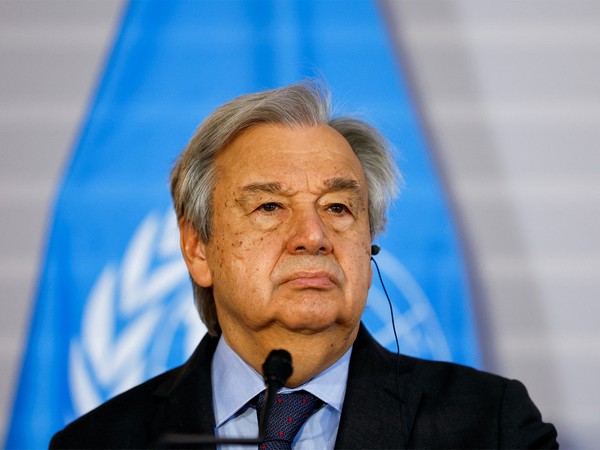
Geneva [Switzerland], October 23: No country is safe from the devastating impacts of extreme weather - and saving lives means making early-warning systems accessible to all, UN chief Antonio Guterres said on Wednesday.
Early-warning systems work," he told the World Meteorological Organisation (WMO) in Geneva. "They give farmers the power to protect their crops and livestock. Enable families to evacuate safely. And protect entire communities from devastation."
"We know that disaster-related mortality is at least six times lower in countries with good early-warning systems in place," the UN chief said.
He added that just 24 hours' notice before a hazardous event can reduce damage by up to 30%.
WMO head Celeste Saulo, who has been urging a scale-up in early-warning system adoption, warned that the impacts of climate change are accelerating, as "more extreme weather is destroying lives and livelihoods and eroding hard-won development gains".
She spoke of a "profound opportunity to harness climate intelligence and technological advances to build a more resilient future for all."
Weather, water, and climate-related hazards have killed more than two million people in the past five decades, with developing countries accounting for 90 per cent of deaths, according to WMO.
Guterres emphasised the fact that for countries to "act at the speed and scale required" a ramp-up in funding will be key.
"Reaching every community requires a surge in financing," he said. "But too many developing countries are blocked by limited fiscal space, slowing growth, crushing debt burdens and growing systemic risks."
He also urged action at the source of the climate crisis, to try to limit fast-advancing global warming to 1.5 degrees Celsius above pre-industrial era temperatures - even though we know that this target will be overshot over the course of the next few years, he said.
"One thing is already clear: we will not be able to contain global warming below 1.5 degrees in the next few years," Guterres warned. "The overshooting is now inevitable. Which will mean that we're going to have a period, bigger or smaller, with higher or lower intensity, above 1.5 degrees in the years to come."
Developed countries should honour their commitment to double climate adaptation funding to $40 billion this year and the Loss and Damage Fund needs to attract "substantial contributions," he said.
Source: Emirates News Agency