Europe applies new entry system, what should tourists pay attention to?
Oct 09, 2025
Brussels [Belgium], October 9: From October 12, a number of European countries will begin applying biometric immigration procedures, replacing physical passports. This will affect those intending to travel to Europe.
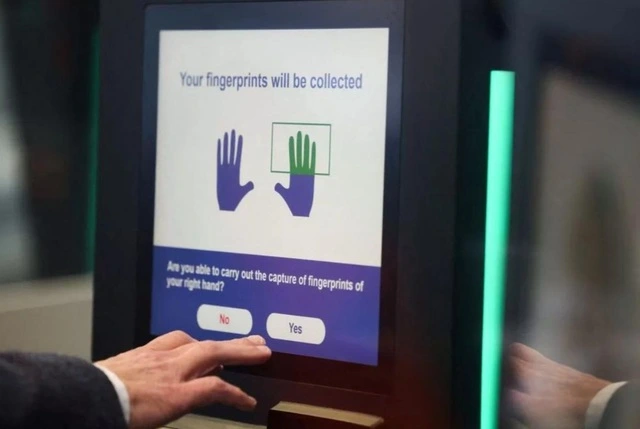
Specifically, the European Union (EU) will begin implementing a new entry and exit system (EES), requiring non-EU citizens entering the Schengen area for the first time to register personal information, including fingerprints and facial images, Reuters reported on October 8.
The Schengen area includes Iceland, Norway, Switzerland, Liechtenstein and most EU member states except Ireland and Cyprus.
The new electronic system will replace manual stamping of passports . EES will create a digital profile, linking travel documents to personal identity through biometric data.
Those entering the Schengen area for the first time will have their passport scanned, fingerprints registered and facial photograph taken. Upon leaving, their information will be checked against the EES database to confirm compliance with their stay and record their departure. Subsequent trips will only require facial authentication.
Children under 12 years old also need to register but only have their photo taken, not their fingerprints. There is no fee for EES.
The EU aims to modernise border management, prevent illegal immigration , combat identity fraud and detect overstaying residents. Data collection will be rolled out gradually at border crossings and is expected to be completed by April 10, 2026, to help European countries reduce congestion at the borders.
EES checks will be carried out at international airports, seaports, train stations and land border crossings within the Schengen area.
EU officials are confident that there will be no major disruptions to the EES, with border officials able to suspend checks for short periods if processing times become too long.
The EES is seen as a stepping stone for Europe to put into operation the European Travel Information and Authorization System (ETIAS), expected to be deployed by the end of 2026
Citizens from outside the Schengen area will then need to apply for an ETIAS permit, providing personal information, travel details and paying a fee of 20 euros before departure. The permit is valid for three years or until the passport expires.
Source: Thanh Nien Newspaper