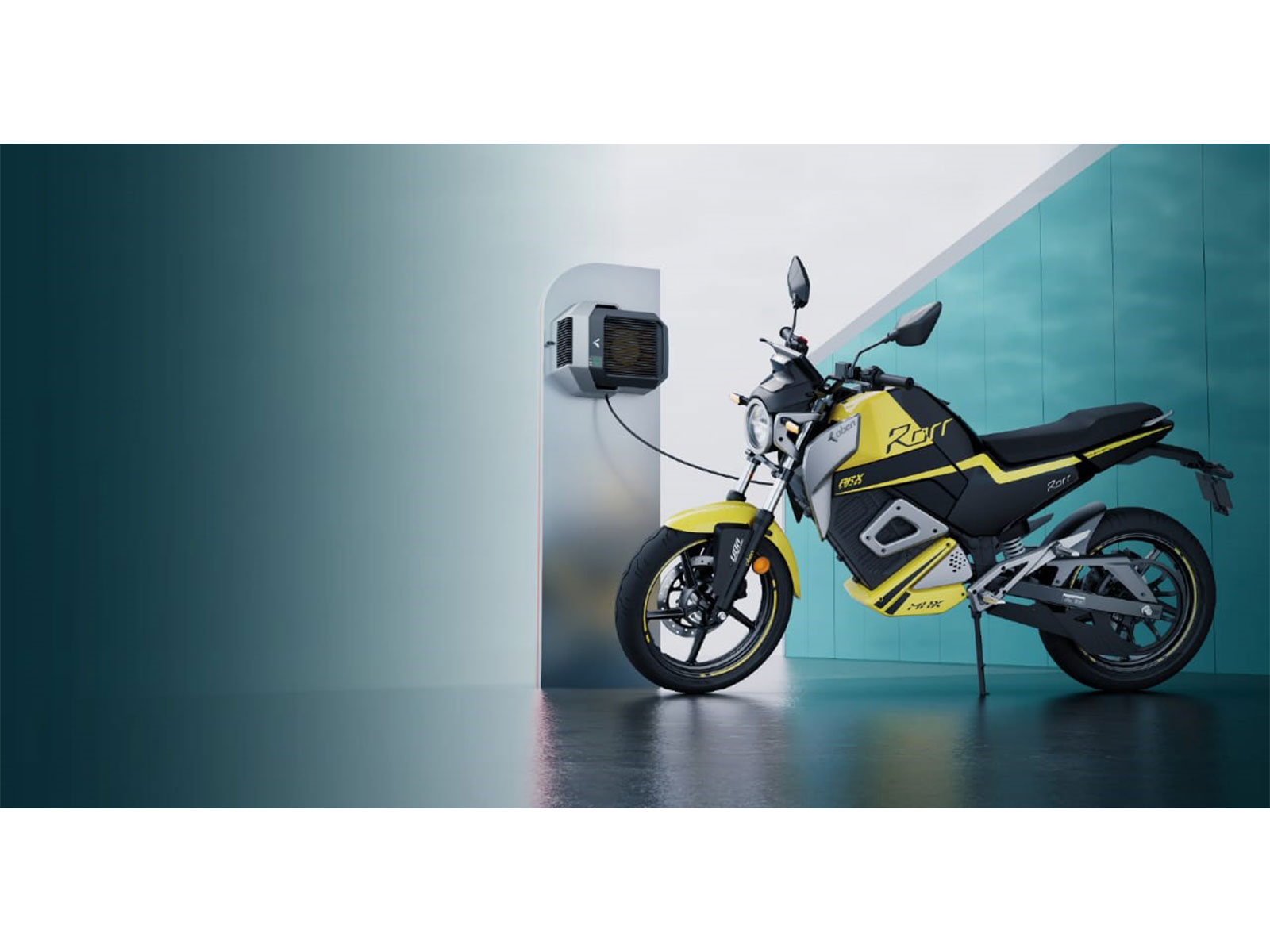
How Government Subsidies Affect Electric Bike Loan Eligibility
Dec 01, 2025
VMPL
New Delhi [India], December 1: Government subsidies can change the cost math of buying an electric two-wheeler. This affects how lenders view loan applications, what borrowers can borrow, and the monthly instalment a buyer must pay. This article explains which central and state schemes matter today, which incentives are time-bound or phased out, and how subsidy rules alter electric bike loan terms.
National Subsidies: What Exists Now and How They Work
The central government introduced the PM E-DRIVE programme as the main national support for electric vehicles. The scheme bundles demand incentives, grants for charging infrastructure and support for buses, trucks and ambulances. It also specifies demand incentives for electric two-wheelers linked to battery capacity, with year-wise rates and caps. The scheme uses e-vouchers that are signed by the buyer and dealer; the manufacturer or dealer then claims reimbursement from the government.
Recent Policy Changes Matter
The government extended parts of PM E-DRIVE to 31 March 2028 but clarified that the extended window does not keep demand incentives for all categories unchanged. Some reports and official notes state that support for certain vehicle types, especially e-2W/e-3W demand incentives, has a shorter validity or is subject to budget limits. This means buyers should check the scheme status at the time of purchase.
State Subsidies: Active, Varied and Sometimes Large
Many states continue to provide their own incentives on top of national schemes. These can include per-kWh grants, road-tax waivers, registration fee reductions, and special offers for women, gig workers or first buyers. For example, Delhi sets purchase incentives per kWh of battery capacity and caps the amount per vehicle. Maharashtra has an EV policy that includes subsidies and tax waivers. These state measures can stack with central schemes where rules allow. Check the state government portal for official eligibility and caps.
Which Central or State Incentives are Phased Out or Limited
The earlier FAME-II approach ran until 2024 and was succeeded by newer programmes. The newer PM E-DRIVE rules reduce per-kWh rates over time compared to initial emergency windows. Some media reports and government notes indicate that demand incentive windows and caps are finite and may not be renewed in the same form. As a result, subsidies for electric two-wheelers have been variable and may be reduced or time-limited. Buyers should not assume the same level of subsidy will be available indefinitely.
How Subsidies Change The Loan Mechanics
Net price for loan calculations. Most lenders and NBFCs consider the net on-road price after any direct purchase incentive, whether the incentive is given as an e-voucher or a direct rebate, when deciding the loan amount and LTV. A lower financed principal means lower EMIs for the same tenure. If the subsidy is passed to the buyer at sale, the loan will typically be based on the post-subsidy invoice. If the subsidy is paid later to the dealer or OEM, lenders assess the financed amount on the transaction documents they receive. This practical effect reduces monthly instalments and lowers the borrower's repayment burden.
Tax and Other Benefits That Influence Loan Value
Interest deduction under Section 80EEB can make electric vehicle loans more affordable. Individuals can claim a deduction on the interest component of an EV loan, subject to rules and limits set by the Income Tax Act. That tax benefit reduces the effective after-tax cost of borrowing and therefore improves loan affordability for many buyers. Lenders may not change eligibility rules for this deduction, but buyers should include the expected tax benefit in their affordability calculations.
Specific Implications for an Electric Bike Loan
Loan quantum. When a subsidy reduces the vehicle price, the loan principal falls by the same amount if that saving is reflected on the invoice. Lower principal improves debt-to-income ratios and may increase the chance of approval at a given LTV.
* EMI and tenure choices: Lower principal allows borrowers to reduce the EMI or pick a shorter tenure for the same EMI. Lenders normally recalculate EMI based on the net financed amount.
* Down payment and LTV: Some lenders use a fixed LTV on the post-subsidy price. In such cases, a subsidy that lowers the net price also lowers the borrower's required down payment in rupee terms, but will not change the LTV percentage unless the lender applies special terms.
* Documentation and timing: A common hurdle is timing. If the subsidy is claimed by the OEM later, the buyer must ensure that loan papers reflect the actual cash flow. Verify whether the dealer will pass the discount at sale or claim reimbursement later. The e-voucher mechanism under PM E-DRIVE is designed to create a signed record at sale; keep a copy for the lender.
High Range Electric Scooter Buyers: Different Economics
High range electric scooters have larger batteries and a higher sticker price. Because national subsidies often use a per-kWh formula and caps, the net subsidy for a higher capacity scooter can be higher in rupee terms but may still represent a smaller share of total cost. Lenders assess affordability on the net price, so a high range electric scooter may still require a larger loan even after subsidy. In addition, some schemes cap subsidies as a percentage of ex-factory price; therefore, larger models may not become proportionately cheaper. Buyers of high range models should factor in range, battery warranty, long-term running costs and the likely subsidy cap when planning loan terms.
Steps for Buyers Who Want a Cleaner Loan Outcome :
1. Confirm current scheme status. Check the PM E-DRIVE portal and the state EV policy before purchase. The scheme rules and rates can change.
2. Ask the dealer for the sale invoice that shows the net price after any subsidy or discount. Keep the signed e-voucher if the scheme issues one.
3. Clarify with the lender whether the loan will be on pre-subsidy or post-subsidy value. This affects EMI and the LTV calculation.
4. Factor tax savings. If eligible, include Section 80EEB interest deduction when modelling monthly affordability.
A Short Reality Check
Subsidies lower monthly costs and improve loan affordability in most cases. However, central and state incentives are not permanent. Some central windows were time limited and some state programmes have been revised. For higher-priced electric models, the subsidy may cover only a fraction of the added cost. Always model EMIs on the net financed amount and keep documents that show how the subsidy was applied.
(ADVERTORIAL DISCLAIMER: The above press release has been provided by VMPL. ANI will not be responsible in any way for the content of the same.)