ISS astronauts hospitalised after SpaceX splashdown
Oct 26, 2024
Florida [US], October 26: Three NASA astronauts and one Russian cosmonaut returned to Earth from the International Space Station (ISS) on Friday after seven months in orbit.
The four, Matthew Dominick, Michael Barratt, and Jeanette Epps, and Russian cosmonaut Alexander Grebenkin had been scheduled to return two weeks ago but those plans had to be delayed due to weather disturbances caused by Hurricane Milton.
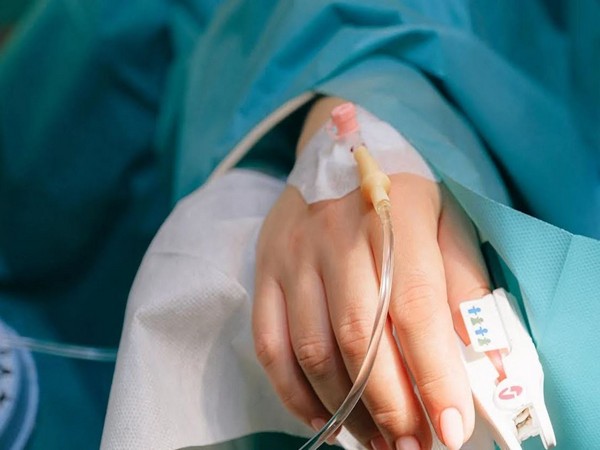
NASA said the crew had received medical exams upon exiting the SpaceX Crew Dragon spacecraft that flew them home, but added that the four, "were taken to a local medical facility for additional evaluation" after splashing down in the Gulf of Mexico near Pensacola, Florida.
NASA said the step had been taken "out of an abundance of caution," and that "all crew members were flown to the facility together."
No mention was made of why exactly the extra exams were necessary.
The crew had spent the previous seven months conducting hundreds of scientific experiments aboard the ISS, including some conducted with stem cells and plants as well as others concerned with the health of astronauts in space.
Two other stuck-in-space astronauts, Suni Williams and Butch Wilmore, whose own mission went from eight days to eight months, will remain on the ISS until February next year.
Source: Times of Oman