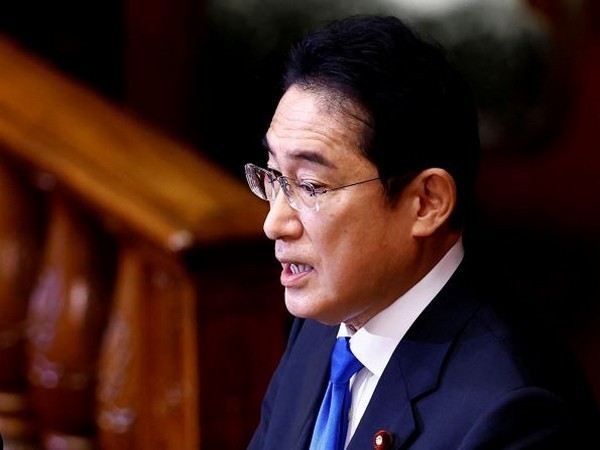
Japanese PM Ishiba resigns after less than a year in office
Sep 08, 2025
Tokyo [Japan], September 8: Japanese Prime Minister Shigeru Ishiba announced his resignation on Sunday evening after less than a year in office.
Ishiba had faced increasing criticism and calls to step down within his Liberal Democratic Party (LDP) following the loss of the party's majority in parliament. He stated that he intends to fulfil his duties until a new party leader is elected.
His announcement came shortly after the conclusion of a trade agreement with the United States. "Now is the right time to resign," said Ishiba, who has been in office since October of last year.
Ishiba's coalition, consisting of the LDP and its junior partner Komeito, lost its majority in the upper house of parliament in July, having already lost its majority in the more powerful lower house in October.
Since then, Ishiba's coalition has been operating as a minority government.
Observers expect that the future LDP party leader will still be elected as prime minister in parliament. Otherwise, the fragmented opposition camp would need to agree on a common candidate, which currently seems impossible.
The coalition is more likely to bring one of the opposition parties on board, Axel Klein, a professor of political science at the University of Duisburg-Essen, told DPA in Tokyo.
"In my assessment, the LDP will make greater concessions to an opposition party and either expand the governing coalition to three parties or continue to work as a minority government," he said.
The reason for the electoral defeat of the LDP, which has governed almost continuously for decades, was voter dissatisfaction with rising prices and immigration policy.
Right-wing populist small parties, especially the openly xenophobic Sanseito, sometimes called the Party of Do it Yourself in English, benefited from this.
Source: Qatar Tribune