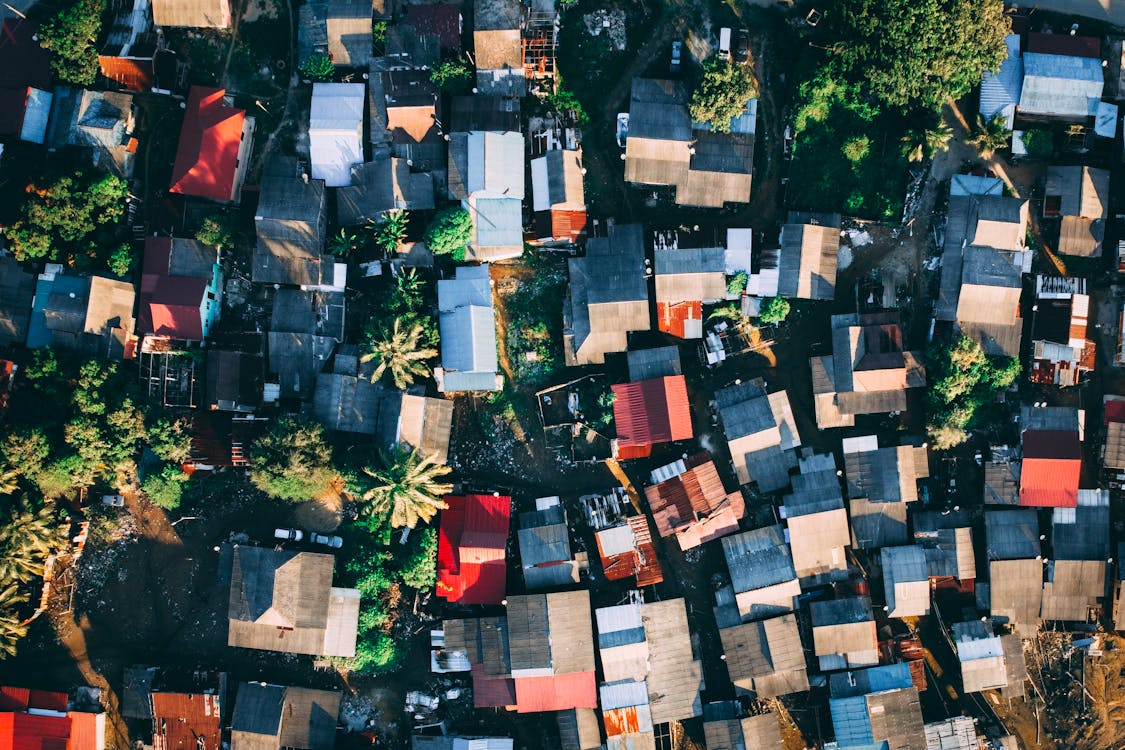
New Zealand sees 1 in 16 households crowded
Nov 07, 2024
Wellington [New Zealand], November 7: New Zealand sees more than 100,000 crowded households as household crowding has continued to increase in the country, according to the statistics department Stats NZ on Thursday.
According to the 2023 Census data released by the Stats NZ, around one in 16 households experienced crowded living conditions in New Zealand in 2023.
In 2018, around 1 in 17 households were crowded, up from around 1 in 20 in 2013, the census data showed.
Crowding occurs when a dwelling is too small for the number of people living in the household. It can be measured in different ways, such as the number of people per room or bedroom, Stats NZ said.
"Crowding is a complex topic and isn't just about large households," Stats NZ principal analyst Rosemary Goodyear said, citing an example that people in crowded households may struggle to find suitable and affordable housing that meets their needs.
"An increase in household crowding is concerning as crowding can affect physical health, and is a risk factor for infectious disease," Goodyear said.
Since the 1980s, when Stats NZ started to measure crowding, the number of bedrooms needed has been calculated based on the demographic composition of the household.
The proportion of homes with two or more spare bedrooms has increased substantially since the early 1990s, 40.3 percent in 2023 compared with 30.2 percent in 1991, Goodyear said.
An increased proportion of people mostly worked from home. Therefore, some spare bedrooms may be used for another purpose, such as a home office, said the 2023 Census.
Since the 1990s, there have been fewer households with children, and more couple-only and one-person households, it said.
The total fertility rate decreased sharply in that time, from an average of 2.18 children per woman in 1991, to 1.65 in 2023, and 1.52 in 2024, statistics show.
Source: Xinhua