Rich Nations raise COP29 climate finance offer
Nov 24, 2024
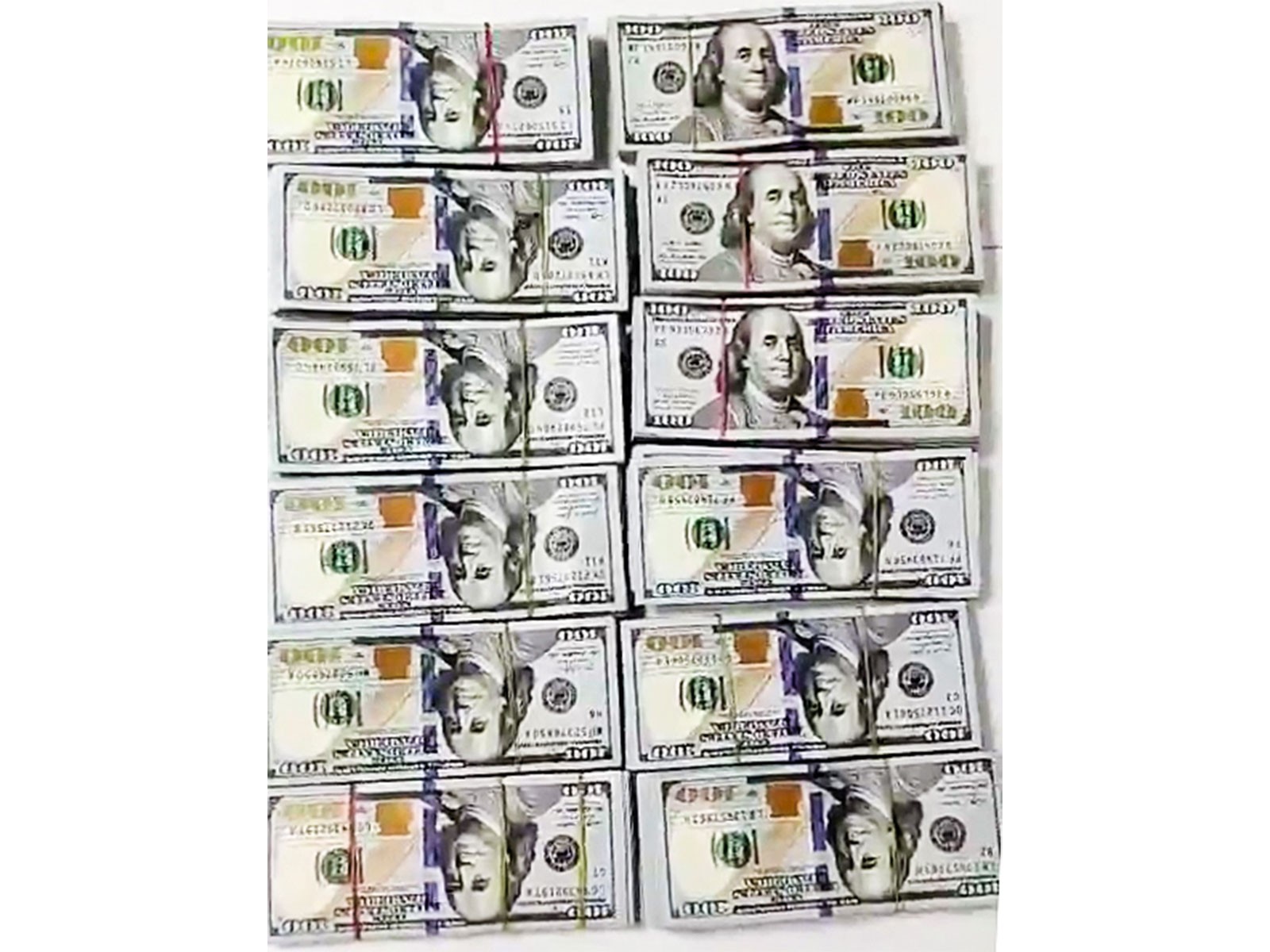
Dubai [UAE], November 24: Developed nations should pay $300 billion a year by 2035 to help poorer countries deal with climate change, according to a new draft deal from U.N. climate talks published early, after an earlier target of $250 billion was rejected.
Reuters previously reported that the European Union, the United States and others wealthy countries would support the $300 billion annual global finance target in an effort to end a deadlock at the two-week summit.
The document, described as a draft decision rather than a draft negotiating text like previous iterations, said nations had decided to set a goal "of at least $300 billion per year by 2035 for developing country Parties for climate action."
The decision would need to be adopted by consensus before becoming final.
The COP29 climate conference in the Azerbaijan capital Baku had been due to finish on Friday, but ran into overtime as negotiators from nearly 200 countries struggled to reach consensus on the climate funding plan for the next decade.
At one point delegates from poor and small island nations walked out of talks in frustration over what they called a lack of inclusion, and amid concerns fossil fuel producing countries were seeking to water down aspects of the deal.
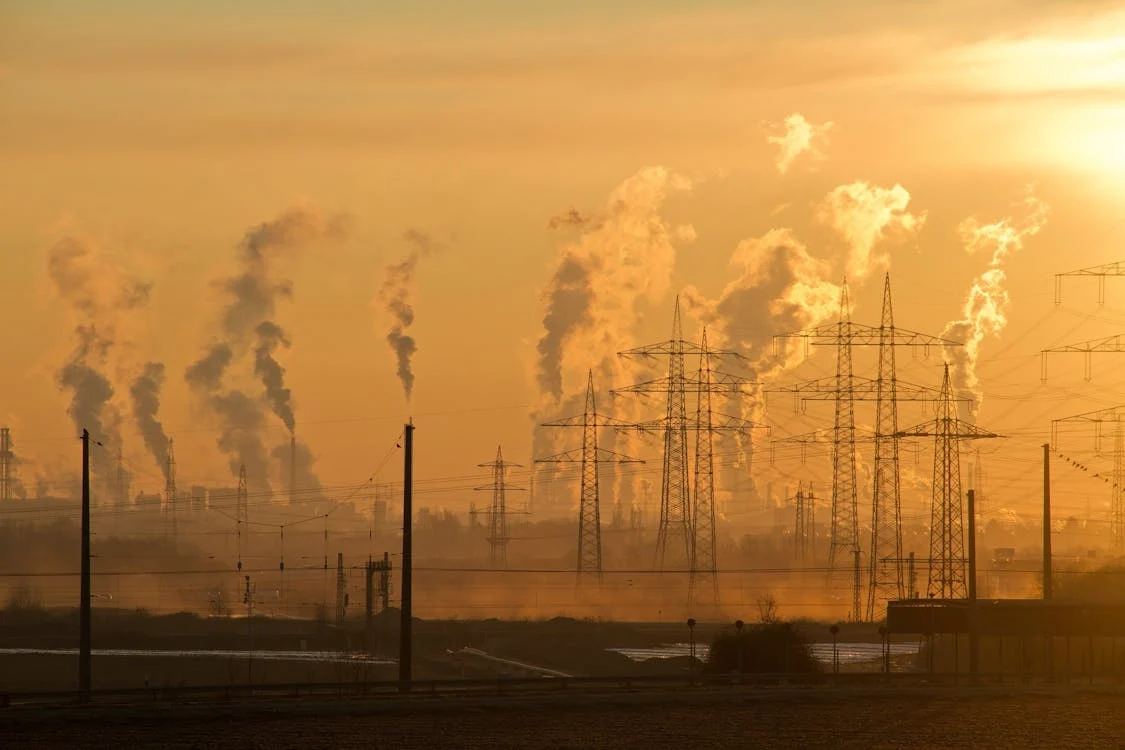
The summit cut to the heart of the debate over the financial responsibility of industrialized countries, whose historical use of fossil fuels has caused the bulk of greenhouse gas emissions, to compensate others for the damage wrought by climate change.
It also laid bare the divisions between wealthy governments constrained by tight domestic budgets and developing nations reeling from the costs of worsening storms, floods and droughts.
Fiji's Deputy Prime Minister Biman Prasad told Reuters he was optimistic for an eventual agreement in Baku.
The new goal is intended to replace developed countries' previous commitment to provide $100 billion per year in climate finance for poorer nations by 2020. That goal was met two years late, in 2022, and expires in 2025.
A previous $250 billion proposal drawn up by Azerbaijan's COP29 presidency was rejected as too low by poorer countries, which have warned a weak deal would hinder their ability to set more ambitious greenhouse gas emissions cutting targets.
Countries also agreed Saturday evening on rules for a global market to buy and sell carbon credits that proponents say could mobilise billions of dollars into new projects to help fight global warming.
Source: Fijian Broadcasting Corporation